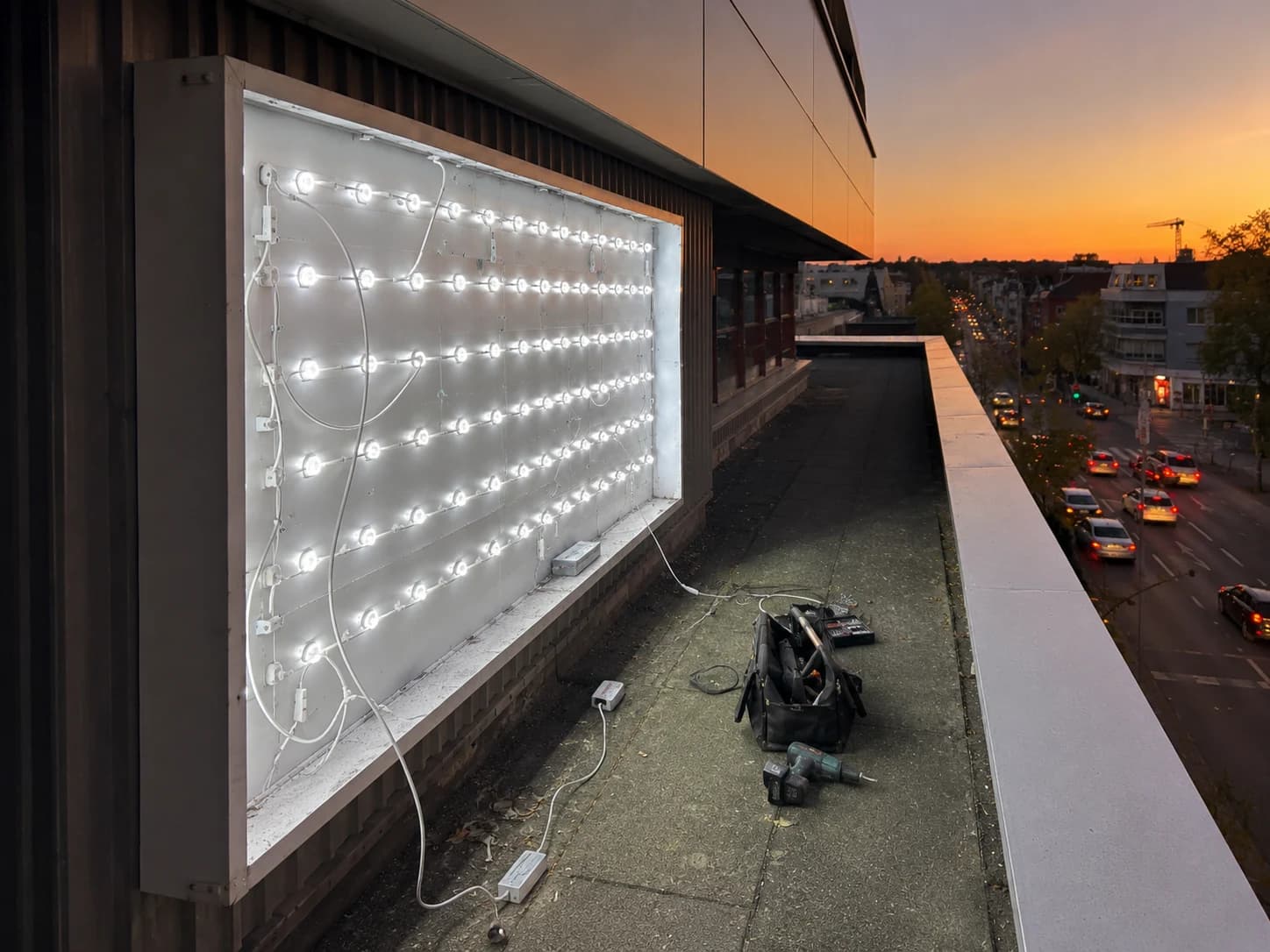
Replace old lighting with LEDs
We check whether existing tube lighting can be converted to LED. For neon, we compare preservation, repair and an LED alternative.


We upgrade the lighting in lightboxes and illuminated letters. We check which parts can stay and which need replacing.
We check whether existing tube lighting can be converted to LED. For neon, we compare preservation, repair and an LED alternative.
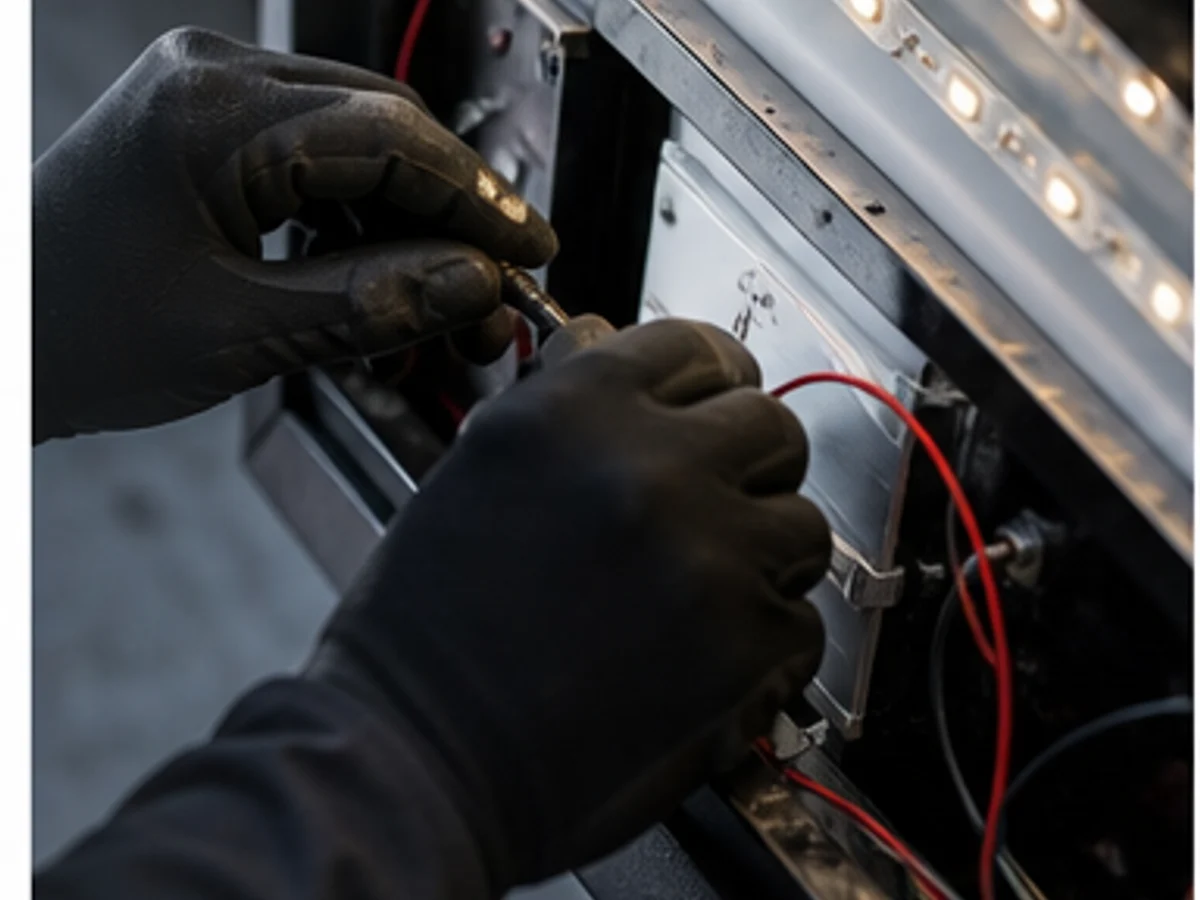
If the housing and face are still usable, we match modules, power supplies and wiring to the existing structure.
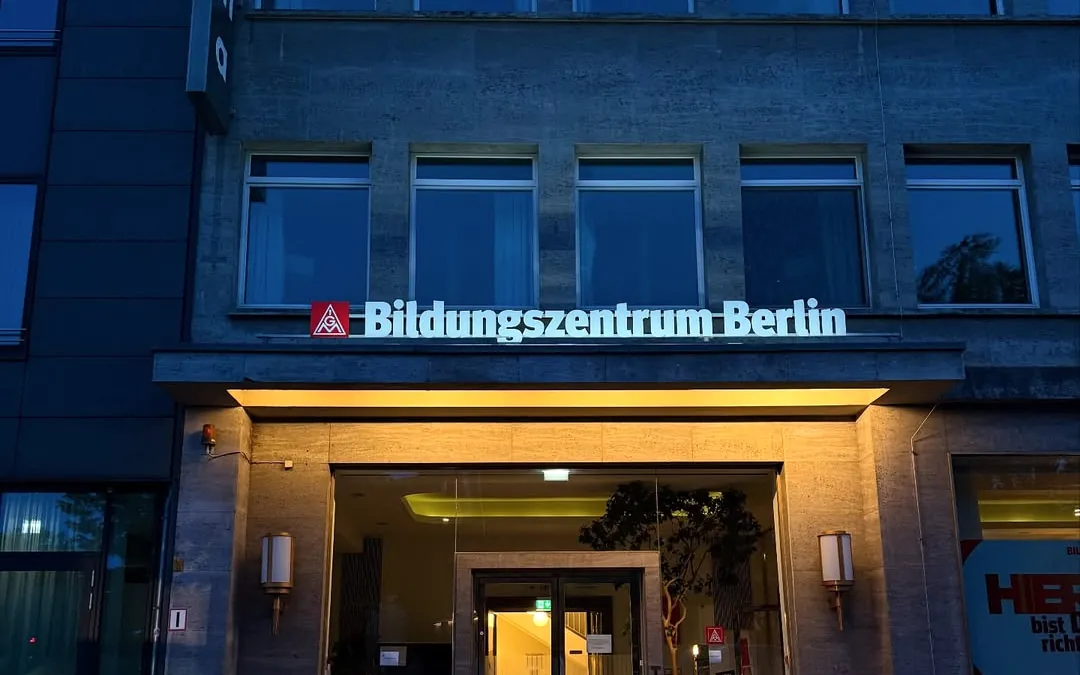
Dark areas, visible light points or inconsistent colour: we check the cause and work out the right adjustment.
One housing. New possibilities.
Explore a lightbox example to see how existing components can form the basis of a new lighting effect.
Select a stage to see what changes.
Schematic illustration. Lighting and construction depend on the individual sign.
Module spacing, power supply and wiring are matched to the depth, size and face. Adding more LEDs is not always the answer.
Fits when there is a concrete failure and housing, light output and structure can generally remain in use.
Useful when the installation can stay, but modules, power supplies, controls, seals or light output should be updated.
Relevant for older tube, neon or inefficient lighting when space, heat, power supply and desired light effect are suitable.
Reviewed when housing, faces, corrosion, fixing, access or brand requirements argue against continued use.
Photos and videos help with first classification. A binding recommendation only follows after reviewing condition, access, electrical components and the desired result.
Start with an overall photo, a close-up and the location. Mounting height and your desired result also help.
You send images, location details and short notes about the issue or desired light output.
PixelRing classifies likely affected components and whether an on-site appointment makes sense.
After review, PixelRing clarifies what should be preserved, modernized or replaced.
The key questions before an idea becomes an upgrade.
Often a partial modernization is possible. Housing, power, space, moisture protection and desired light output matter.
It depends on condition, operating time, power supply, serviceability and light output. PixelRing first checks whether conversion can make technical and economic sense.
Often yes, if the housing, face and fixings remain usable. PixelRing checks which components can stay and which should be renewed.
Flickering can come from power supplies, moisture, LED modules, wiring or controls. A reliable assessment requires photos, a description and sometimes an on-site check.
An overall photo, close-up and note about whether the uneven area is new are helpful. Housing, module position, light color, face material and technology age are reviewed together.
No. LED technology can be lower-maintenance and easier to service, but still depends on drivers, moisture protection, heat, controls and installation context.
Start with an overall photo, a close-up and the location. Mounting height and your desired result also help.