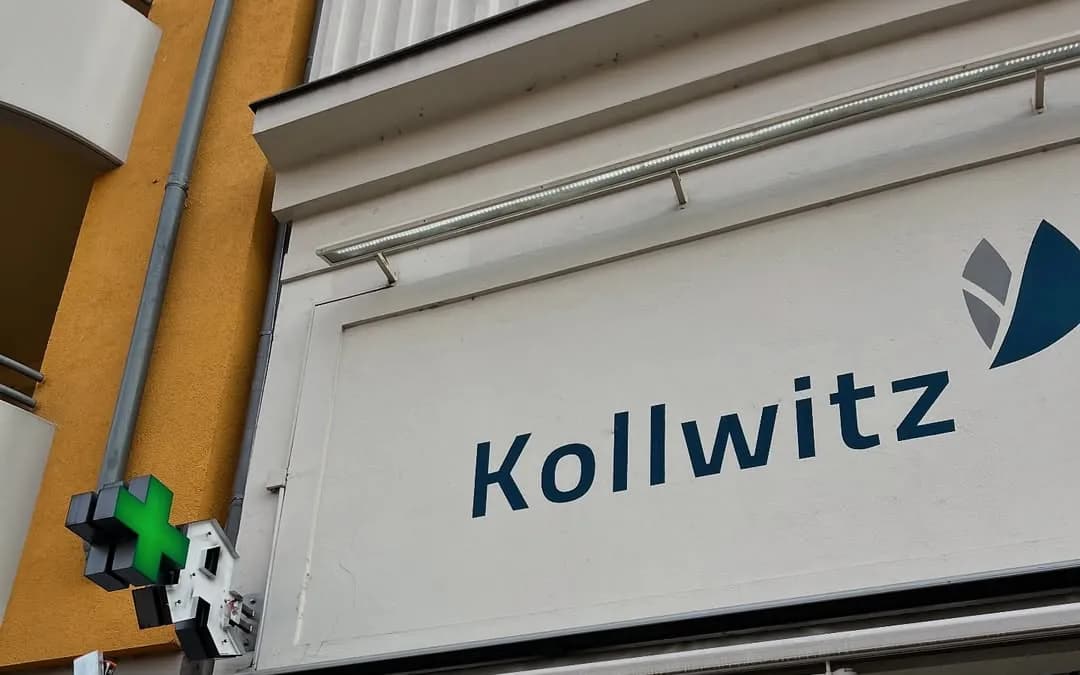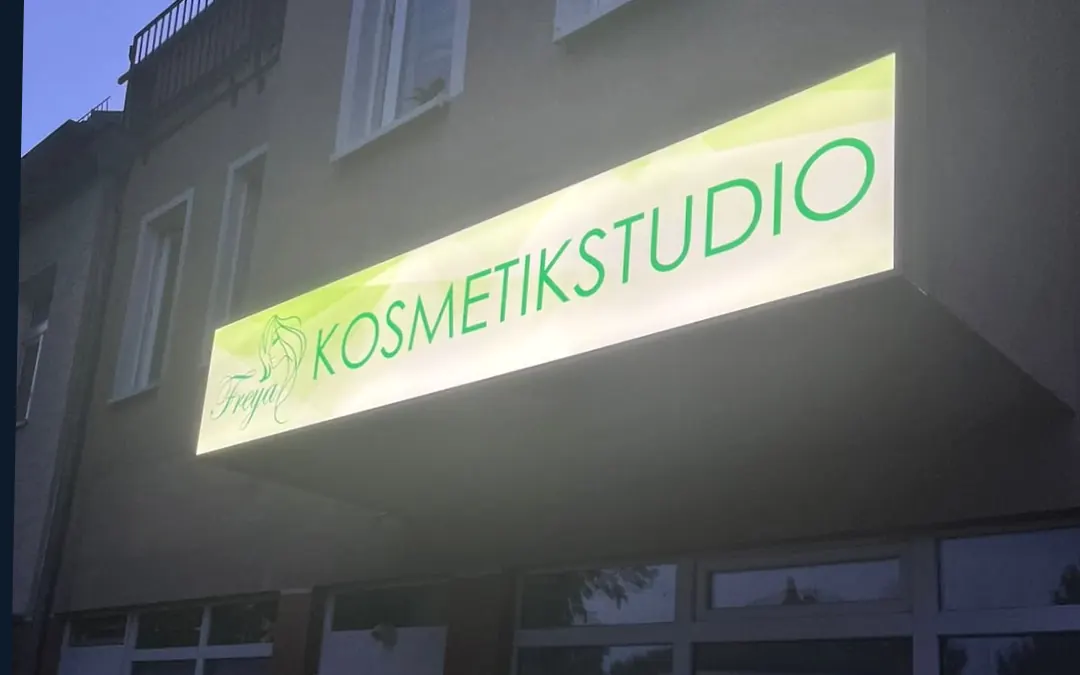
Lightbox


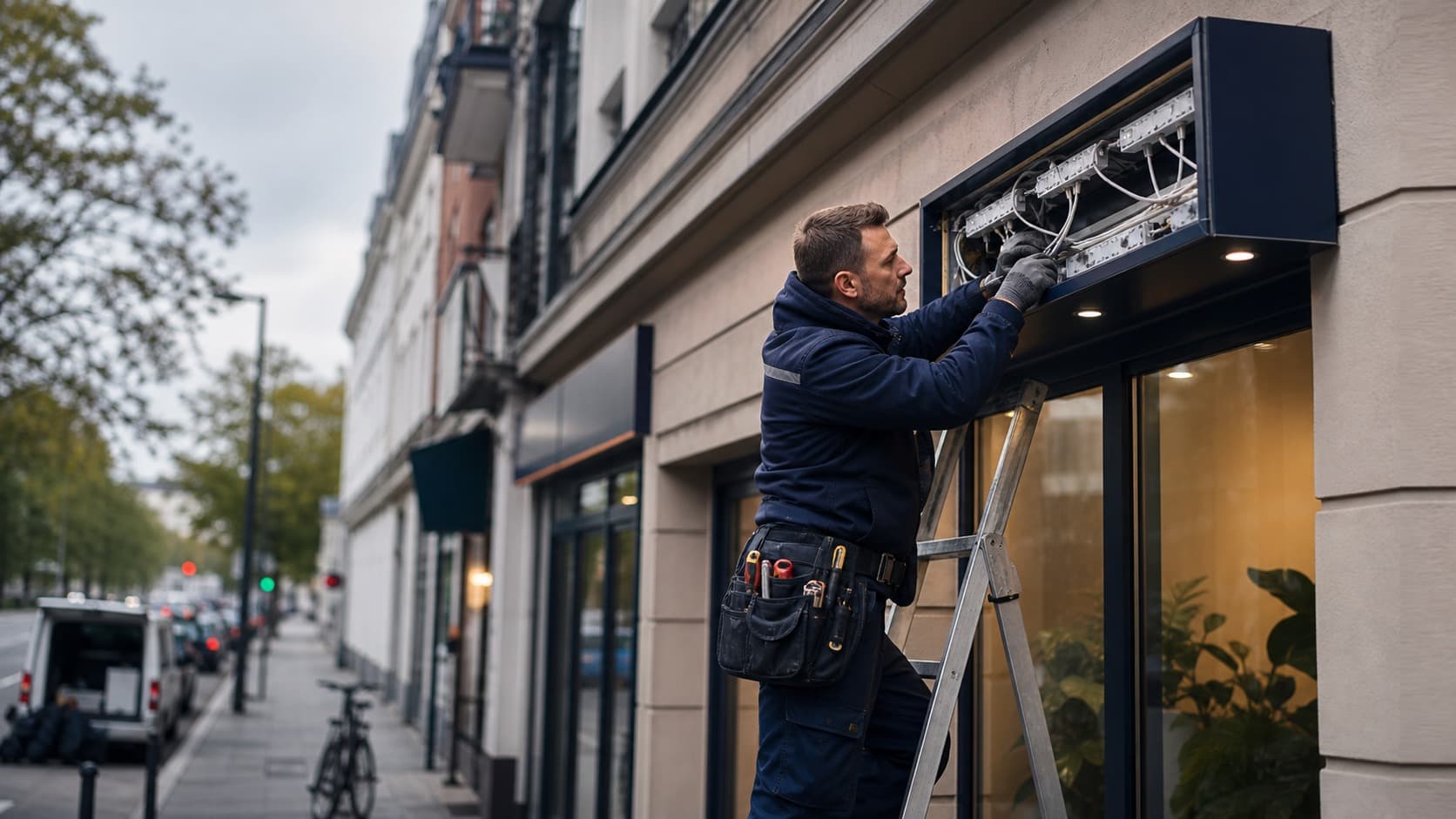
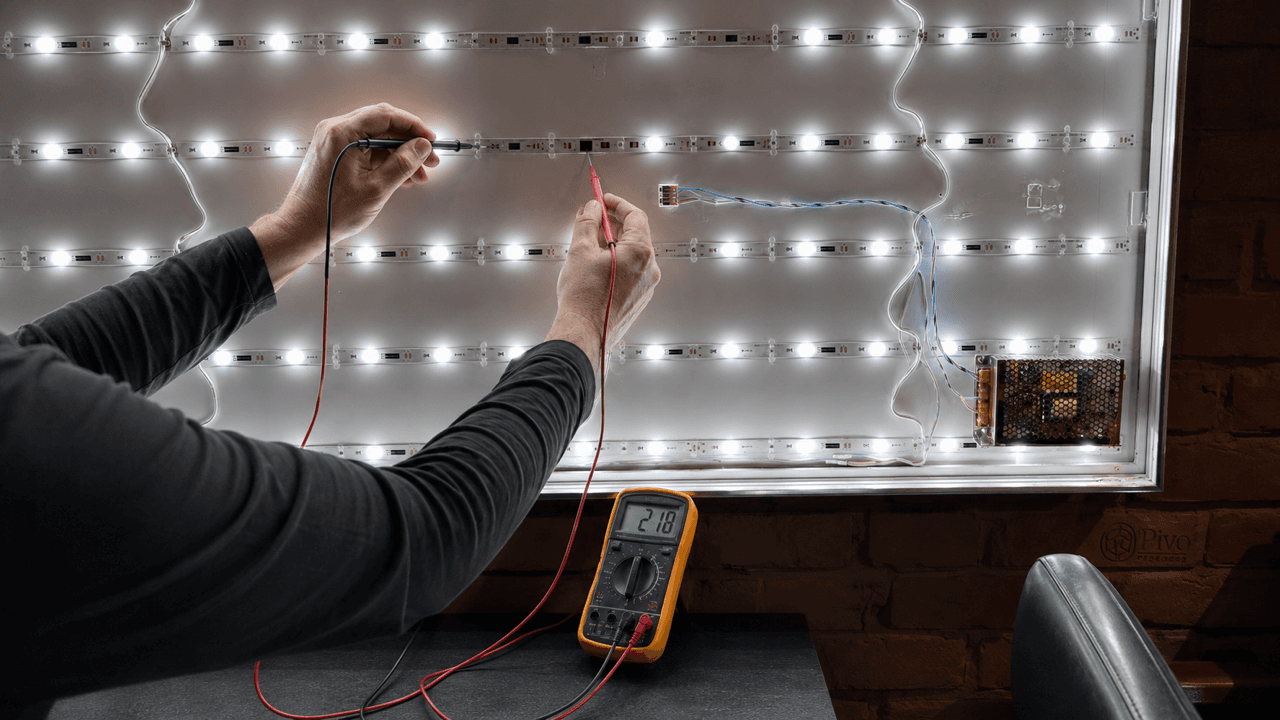
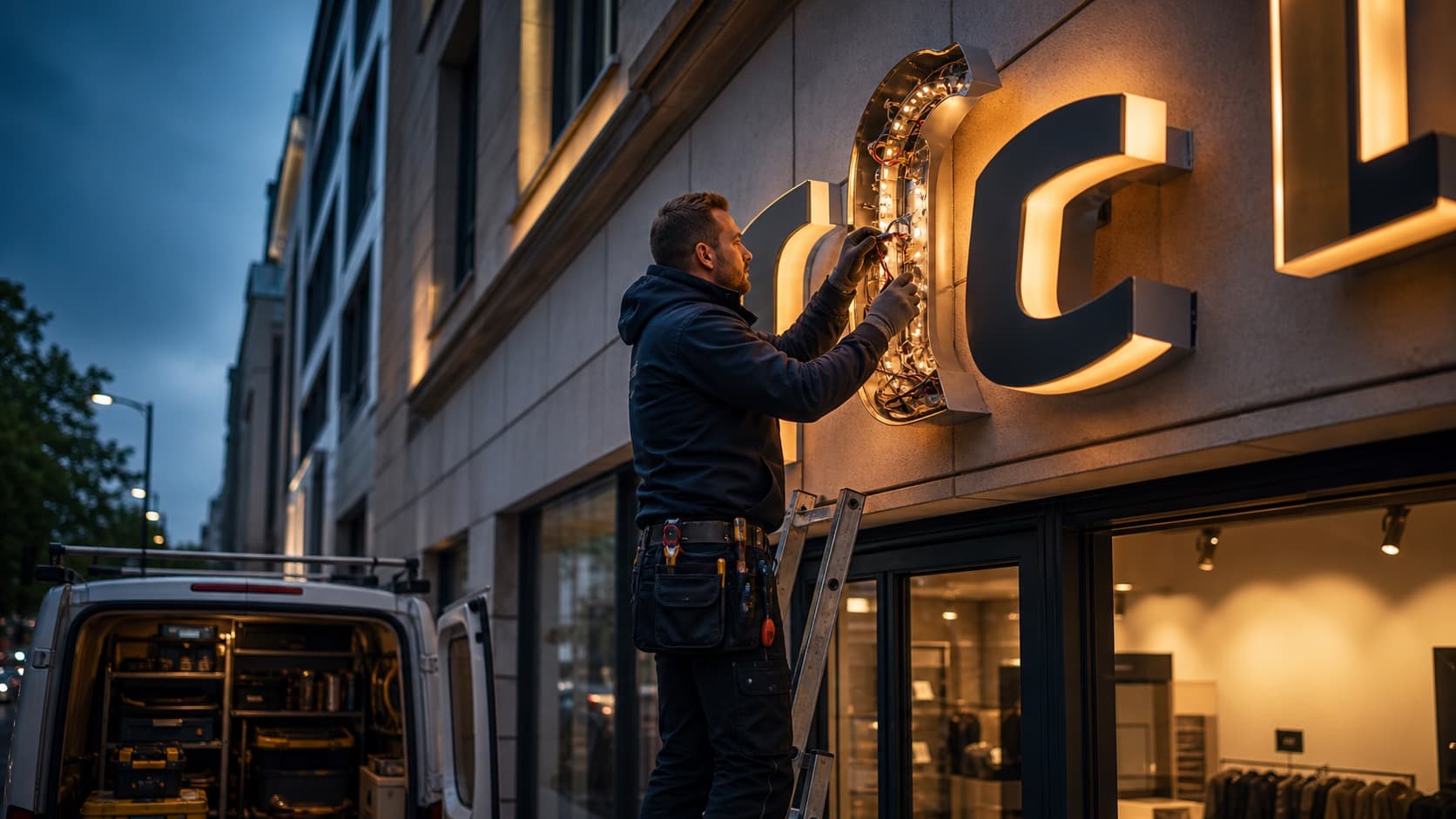
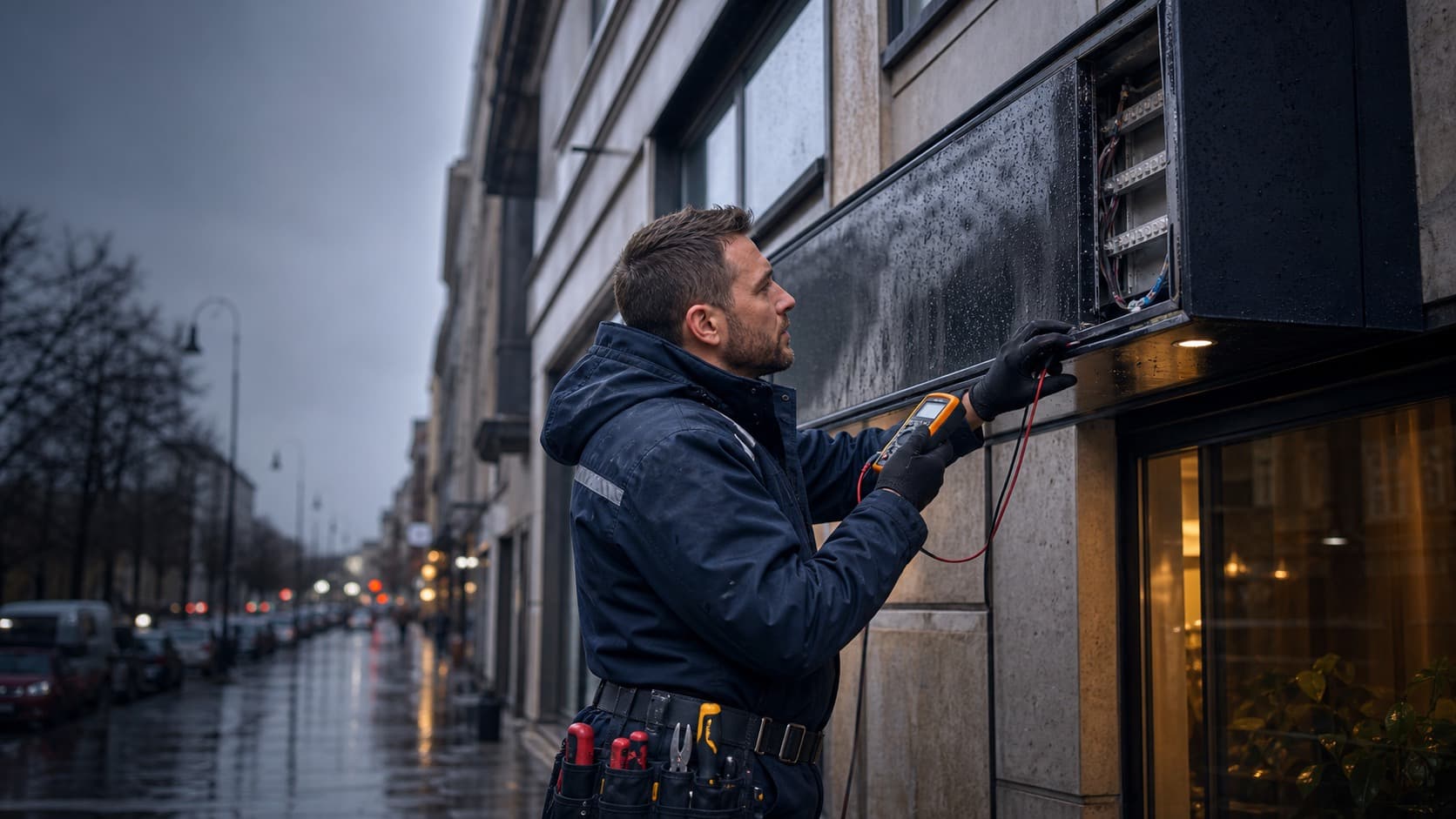
Choose the closest case and briefly describe the problem. If nothing fits, a photo or a few words are enough.
Send a photo of the sign or briefly describe your own case.
After inspection and repair, the lighting, surfaces and individual elements look clean, functional and ready for customers again.
Lightbox
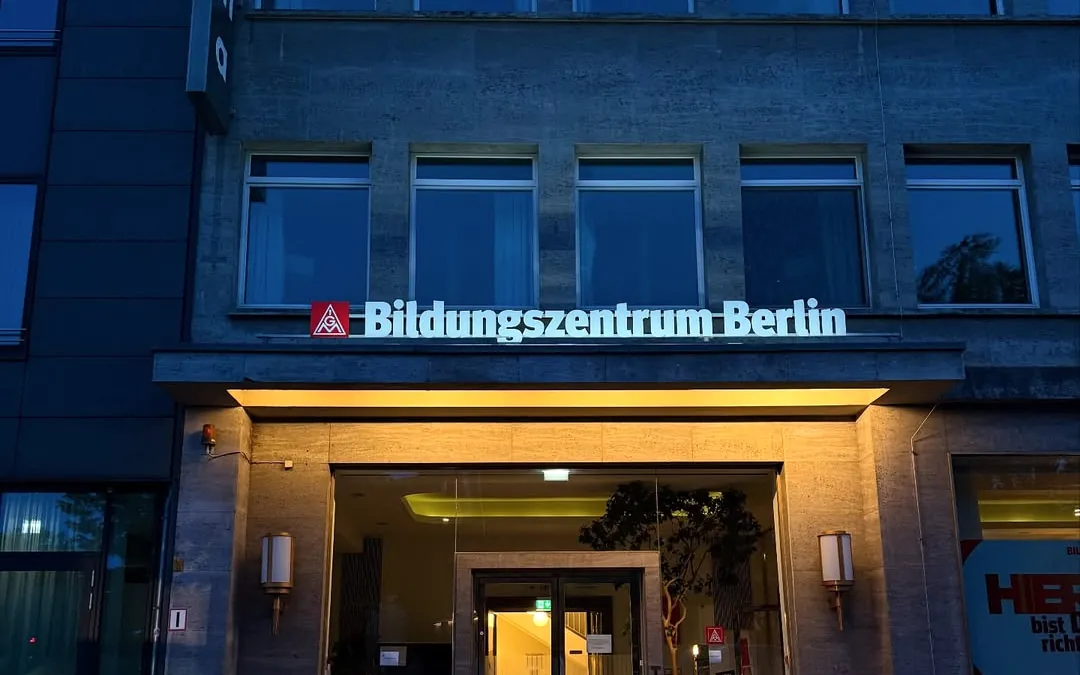
LED
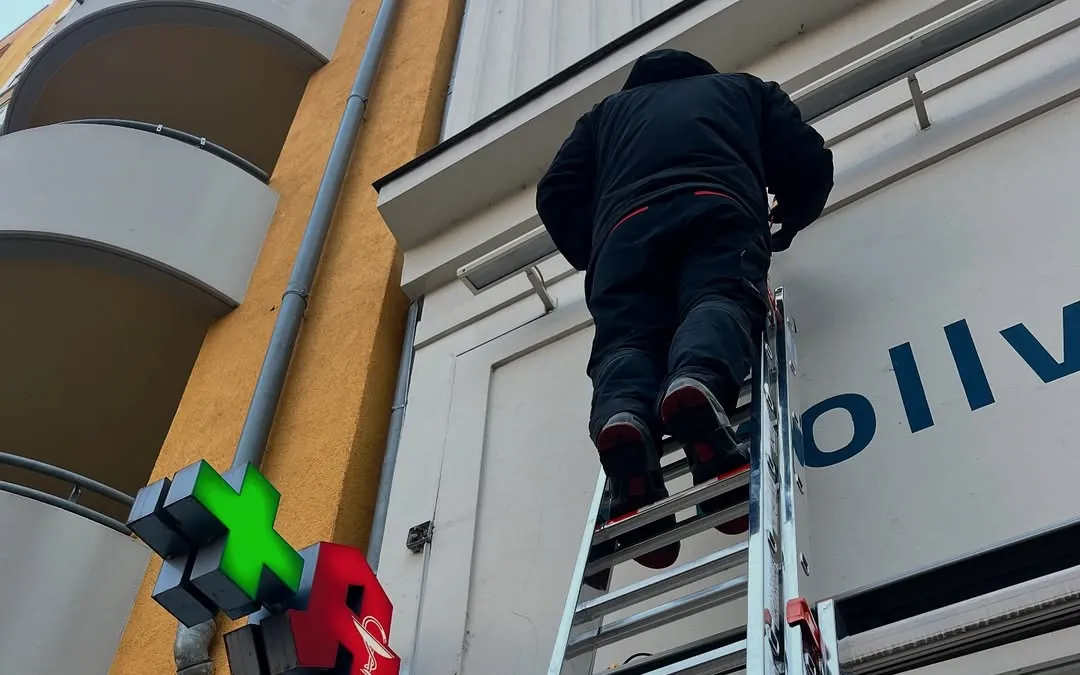
Film
If you want to read first, these short problem pages explain what may be behind a visible symptom.
Typical causes of flickering LED, unstable lighting and intermittent outages.
What can cause dark channel letters, failed LED zones or interrupted chains.
Why films bubble, peel or visibly age from UV, weather and surface conditions.
Signals around moisture, breaker trips, housings, cable paths and safe next steps.
Once the visible defect is roughly clear, this card helps with budget orientation. The exact assessment depends on photos, address, access and material checks.
Enter the key details. On the right you see how budget range and visit type change.
No illumination or the sign starts unreliably.
If the size is unknown, enter an approximate value. The estimate remains preliminary.
The range combines construction type, fault, service area, access, size and defect scope.
Likely path depends on access and material: on-site diagnosis, power supply, wiring or control unit.
Non-binding initial orientation: this diagnostic card, time estimate and budget range are for information only. They are not a contract, not a binding offer and not a binding cost commitment. A binding offer and exact price are possible only after PixelRing has reviewed photos, address, access and materials and confirmed separately.
Not every failure has the same technical cause. PixelRing first clarifies the construction, material, access and visible damage before recommending a repair path.
Acrylic faces, LED surfaces, internal wiring, power supplies, seals and aged housings.
Single letters, logo elements, LED strings, drivers, colour and brightness differences.
Object-mounted signs, freestanding elements, pylons, frames, substrates and visible damage.
Peeling, bubbles, UV damage, adhesive residue, partial replacement and re-application after material checks.
Loose brackets, corrosion, storm damage, facade connections and securing loose parts.
Digital signage
With digital outdoor surfaces, the screen is only one part. We review display, power, controller, media player, housing, glass and access together.
Possible causes include power supply, controller, media player, signal path or protective shutdown.
Faulty LED zones, uneven brightness, overheating or moisture must be assessed separately.
IP protection, seals, vandal damage, condensation and access define the next step.
The exact scope depends on photos, location, access, material and safety conditions. The first assessment is non-binding, but it helps prepare the right visit.
Classification of defect, construction, size, mounting height and possible safety situation.
Review of access, housing, fixings, power supply and visible material damage.
Checking and replacing power supplies, drivers, LED modules, cables, terminals or controllers.
Review of joints, cable entries, seals, corrosion and moisture damage.
PixelRing checks the visible condition, access and safety situation, then replies with the next practical step.